
Home security is a big deal these days. With crime rates climbing and new tech popping up all the time, it’s crucial to keep your home safe.
But with so many options out there, it can be overwhelming to choose the right home security system for your needs.
That’s where this guide comes in – we’ll break down the different types of systems, features to look for, and other important factors to consider when selecting a home security system.
From alarm systems and CCTV cameras to smart home security—you can find the best fit for your needs.
What Are Home Security Systems?
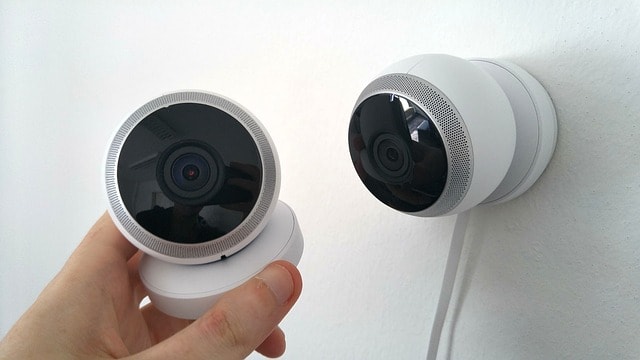
Home security systems protect your home, belongings, and loved ones from intruders and other dangers. These systems usually include a mix of components working together:
Alarm Systems:
These are the basics. They go off when someone tries to break in, alerting you and often a monitoring service.
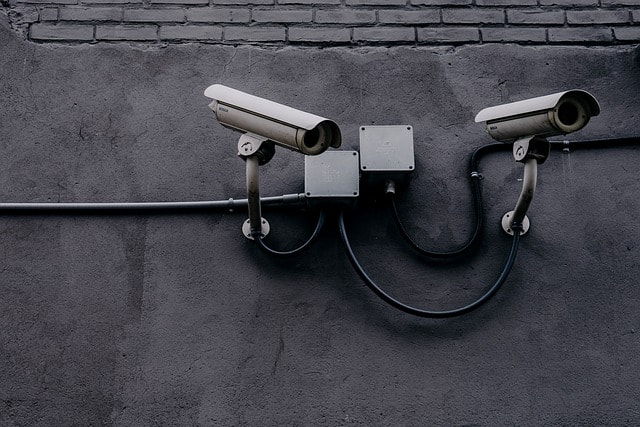
CCTV Cameras:
These let you keep an eye on things in real-time and record what’s happening. They’re great for deterring criminals and collecting evidence.
Smart Home Security:
These systems connect to your home network, letting you control everything from your phone or computer. Think smart locks, video doorbell cameras, and security apps.
Control Panel:
The brain of your smart home devices and security system, connects to all the other components and can be armed or disarmed through a keypad, remote control, or smartphone.
Sensors:
These devices trigger an alarm when they detect motion or sound. Common motion sensor types include door/window sensors, motion detectors, and glass break sensors.
Types of Home Security Systems
Before diving into specific features and considerations, it’s important to understand the different types of home security systems available on the market.
Each type offers unique benefits and may cater to different needs or preferences.
1. Monitored Security Systems
These systems are connected to a professional monitoring service that watches your home 24/7. If an alarm goes off, they can call the cops or fire department for you.
If you want maximum peace of mind and faster police response times, a monitored system is a good choice but it usually comes with a monthly fee.
2. Unmonitored Home Security Systems

Also known as self-monitored systems, these connected devices rely on you to respond to alerts. You’ll get notifications on your phone, and it’s up to you to take action.
They’re cheaper since there’s no monthly fee, but you need to be on the ball.
3. Wireless Home Security Systems
Easy to install and use Wi-Fi or cellular signals. They’re perfect for renters or people who move often.
Just be aware they can sometimes face interference or hacking risks.
4. Wired Home Security Systems
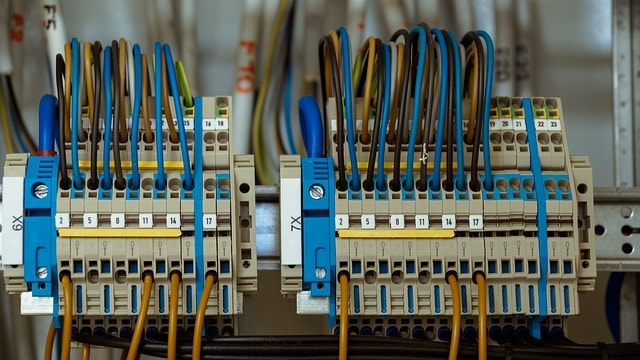
These are hardwired into your home’s electrical system. They’re super reliable but can be more challenging and expensive to install.
They’re great for permanent homes or major renovations.
5. Smart Home Security System
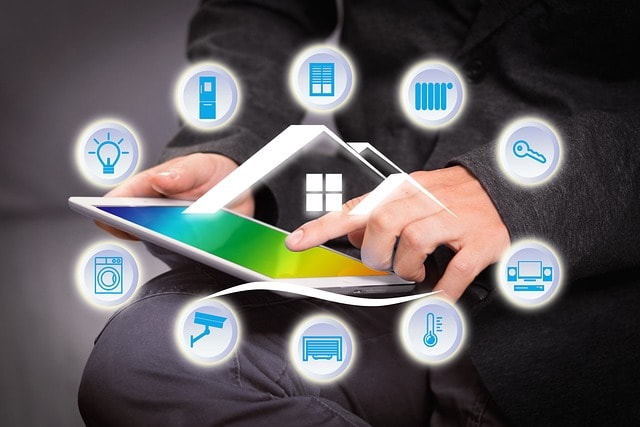
Smart home security systems are becoming increasingly popular due to their advanced technology and convenience.
These systems include features such as cloud storage, remote access through smartphones, voice control, and integration with other smart devices in your home.
Some smart home security systems also offer artificial intelligence capabilities that can learn your daily routines and detect any unusual activity.
These systems are typically pricier than traditional systems but offer a more comprehensive and personalized approach to home security.
6. DIY Home Security Systems:
These systems are designed for self-installation and usually come with step-by-step instructions. They can be a cost-effective option for those on a budget.
Features to Look for in a Home Security System

When choosing a home security system, there are some key features you should consider:
- Ease of Use: Make sure the system is user-friendly and easy to operate. This will ensure that you can quickly arm and disarm your system when needed.
- Connectivity: Look for systems that offer wireless connectivity and remote access through smartphones or other devices. This allows you to monitor your home even when you’re away.
- Customization Options: Consider if the system offers customization options such as different modes for when you’re at home or away, or the ability to add more sensors and cameras as needed.
- Cost: Determine your budget and compare the prices of different systems. Keep in mind that some may come with additional monthly fees for monitoring services.
- Customer Support: Look into the customer support options provided by the company. In case of any issues with your system, it’s essential to have reliable support available.
- Motion Sensors: These sensors detect movement in your home and can trigger an alarm if there is any suspicious activity.
- Entry Sensors: These sensors are placed on doors and windows and will alert you if they are opened while the system is armed.
- Cameras: Video surveillance cameras are a popular feature in home security systems. They allow you to monitor your home remotely and record any activity.
- Smartphone Integration: Many modern home security systems come with smartphone apps that allow you to control and monitor your system from anywhere.
- Environmental Sensors: These sensors can detect changes in temperature, smoke, or carbon monoxide levels, providing an extra layer of protection for your home.
Other Home Security Factors to Consider

Aside from features, there are other important factors to consider when choosing a home security system:
Your Home’s Layout:
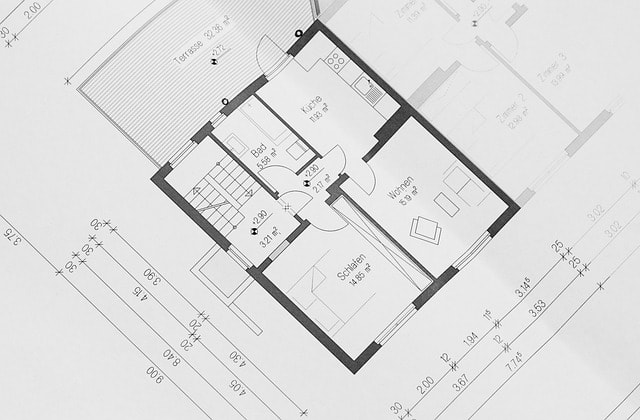
Take into account the layout of your home and the number of entry points that need to be monitored. Consider where your home may be most vulnerable to break-ins and choose a system that addresses those areas.
This will help determine the number of sensors and cameras you’ll need.
Security Needs:

Consider what level of security you require for your home. If you live in a high-crime area, for example, you may want more advanced systems with 24/7 monitoring.
Lifestyle:

Think about your daily routine and how a security system can fit into it. For example, if you often forget to arm your system when leaving the house, a system with automatic arming may be beneficial.
Contract Terms:

If you opt for a monitored security system, make sure to read and understand the contract terms before signing up. Look out for hidden fees or long-term commitments that may not be suitable for your needs.
Read reviews:

Do some research on different home security systems and read reviews from other homeowners to get an idea of their experiences with the system.
Get professional advice:

If you’re unsure about which system is best for your home, consult with a professional security company for personalized recommendations.
Key Components to Look For
When choosing a home security system, here are some essential components to consider:
Alarm Systems
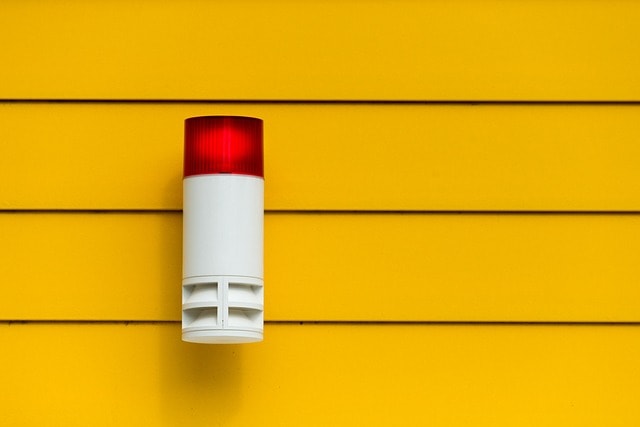
Look for systems with loud alarms and instant notifications. Some advanced alarms can silently alert local authorities without scaring off the intruder.
Control Panel
Choose a control panel with intuitive controls and a backup battery in case of power outages. Some panels also come with additional features like weather alerts or home automation settings.
CCTV Cameras
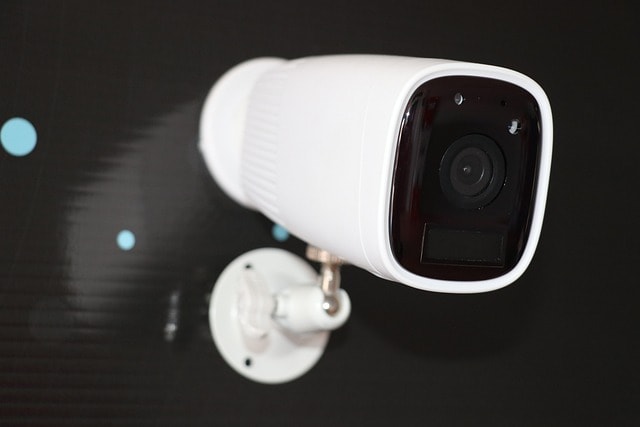
CCTV cameras are crucial for keeping an eye on your property. Look for good resolution, night vision, weather resistance, and wide coverage.
Make sure you place them to cover entrances, windows, and any hidden spots.
Smart Home Integration

Smart systems let you control everything remotely. Look for compatibility with platforms like Google Home, Amazon Alexa, or Apple HomeKit.
Features like remote arming/disarming, live video feeds, and smart alerts are really handy.
Sensors and Detectors

Motion sensors, video doorbells/window sensors, and glass break detectors are must-haves. They can trigger alarms or send alerts if they detect anything suspicious.
Opt for sensors that are easy to install and can detect a wide range of movements or sounds. Look for options that allow you to adjust sensitivity levels to avoid false alarms.
Environmental Sensors
Don’t forget about sensors for smoke, carbon monoxide, and water leaks. They can save your home from non-criminal threats and are often part of comprehensive security packages.
Picking the Right Home Security System for You
Here’s how to choose the best home security system:
Assess Your Security Needs
Evaluate your home’s vulnerabilities, such as entry points, valuable possessions, and areas that require surveillance.
Consider your neighbourhood’s crime rate and specific threats like burglary, fire, or flooding.
Determine Your Budget
Home security systems range from basic setups to comprehensive packages. Determine how much you’re willing to spend on installation and ongoing monitoring fees.
Remember, investing in a good security system can save you from potential losses in the long run.
Research and Compare Systems
Research different security systems and compare their features, costs, and customer reviews. Look for systems with good reputations and reliable customer support.
Consider reaching out to security experts for recommendations based on your specific needs.
Professional Installation vs. DIY
Decide whether you want to install the system yourself or hire professionals. many modern security systems are designed for easy DIY installation.
Professional Monitoring
Wireless systems, in particular, are user-friendly and come with detailed instructions. However, for more complex setups, professional installation might be the best route.
DIY systems are often more affordable and easier to set up, but professional installation ensures all components are correctly installed and functioning.
Test and Maintain Your System
Once installed, it’s important to regularly test your security system to ensure it’s working correctly.
Make sure to keep your system updated and maintain components like cameras and sensors to prevent malfunctions.
Tips for Maintaining Your Home Security System
Once you have selected and set up your home security system, it’s important to regularly maintain it to ensure that it continues to function properly. Here are some tips for keeping your home security system in top shape:
Test the system:
It is recommended to test your home security system at least once a month. This will help identify any potential issues or malfunctions before they become serious problems.
Keep batteries fresh:
If your security system uses batteries, make sure to replace them regularly according to the manufacturer’s recommendations. Weak batteries can cause false alarms or prevent the system from functioning properly.
Keep cameras clean:
If you have security cameras, make sure to regularly clean them to prevent dust or debris from obstructing the view. This will also ensure that your footage is clear and usable if needed.
Update software:
If your home security system has mobile apps or other software, it’s important to keep them updated for optimal performance and security.
Check sensors and devices:
Regularly check all sensors and devices in your home security system to make sure they are functioning properly. Replace any damaged or malfunctioning components as necessary.
Educate household members:
Make sure everyone in your household knows how to operate the home security system and what to do in case of an emergency. This will ensure that the home alarm system is used correctly and effectively.
Review footage regularly:
Take the time to review any security footage periodically. This can help identify any potential vulnerabilities in your security camera or home’s security and make necessary adjustments.
By following these maintenance tips, you can ensure that your home security system remains effective and provides reliable protection for your home and family. Remember, regular maintenance is key to a secure and safe home.
Conclusion
Choosing the right home security system means understanding the different types, considering key components like alarms and CCTV cameras, and figuring out what fits your needs best.
With a bit of research, you can find a system that keeps your home and loved ones safe. Remember, investing in a good security system is investing in peace of mind.
At Easy Security Systems, we help take the guesswork out of protecting your home.
An SSAIB accredited Security Company for CCTV installations, service, and maintenance of CCTV systems, intruder alarms & access control systems in Caerphilly, Cardiff and the whole of South Wales.
We also comply with domestic insurance in Cardiff and the whole of South Wales.
Our dedicated team works hard to deliver a high level of service and provide a bespoke service in the installation and maintenance of a range of systems.
For security alarm systems and 24-hour monitoring in Cardiff contact us today, our team of professional installers is happy to help!
