
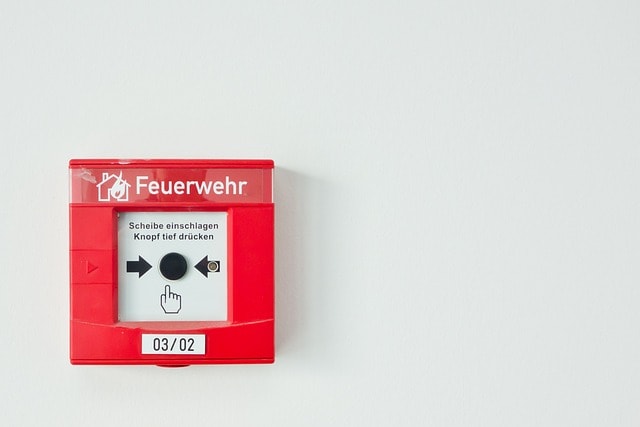
Fire alarms are a crucial component of any safety since they provide an early warning system that may save lives and safeguard property. Whether for domestic or commercial usage, appropriate installation and maintenance of fire alarms in the UK are vital to maintaining their effectiveness.
This guide will explain the specific stages, regulatory requirements, and best practices for correctly installing your fire alarm system.
Understanding Fire Alarm Systems
Before beginning the installation procedure, it’s critical to understand the various types of fire alarm systems and their uses. This knowledge ensures that you select the appropriate alarm for your individual needs.
Types of Fire Alarms
Ionisation Alarms
- Detect rapidly blazing flames using a small amount of radioactive material.
- Ideal for locations prone to unexpected igniting, such as storage rooms.
- Because of its sensitivity to smoke, it is not recommended for use in kitchens and may cause false alarms.
Optical (photoelectric) alarms (Smoke Detector)
- Light sensors can detect bigger smoke particles.
- Effective for spotting smouldering fires, which are commonly caused by furniture or slow-burning materials.
- Typically put in living areas and bedrooms.
Heat alarms
- Activated by a sudden increase in, or when the environment reaches a certain temperature.
- Ideal for kitchens and garages where smoke is prevalent yet fire risk is high.
- It will not be set off by cooking fumes
Combination alarms
- Combine smoke detectors and heat sensing technology.
- Provide comprehensive coverage in places with a variety of hazards.
- Interlinked Smoke Detectors (Smoke and heat alarms)
- Ensure that all alarms sound simultaneously when one is activated.
- Highly suggested for larger residences or multi-story buildings.
Legal and Regulatory Requirements
The United Kingdom has stringent laws governing fire alarm systems, particularly for rental residences, commercial buildings, and new dwellings.
Key Regulations:
BS 5839-6 (Domestic Properties)
- Smoke alarms must be installed in hallways, landings, and in any high risk room.
- A heat alarm is required in kitchens.
- Fire alarm systems must be interconnected for new constructions.
BS 5839-1 (Commercial Property)
- Fire alarms must be customised to the building’s risk assessment.
- Mandates frequent maintenance and testing to assure compliance.
The Regulatory Reform (Fire Safety) Order, 2005
Property owners and landlords are responsible for ensuring that fire safety measures are in place.
Landlords in England
- There must be at least one smoke alarm installed on each floor.
- Carbon monoxide detectors are essential in rooms containing solid fuel equipment.
- Failure to comply with these standards may result in penalties or legal action, highlighting the necessity of correct installation.
Plan for Fire Alarm Installation
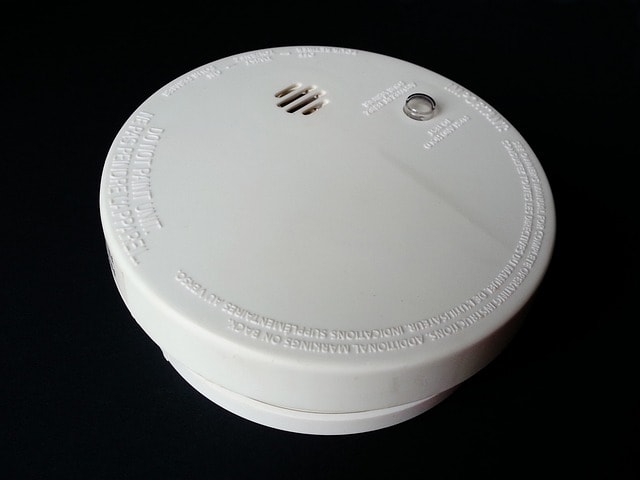
Before installation, thorough planning ensures that the system is efficient and compliant.
Conduct a fire risk assessment.
- Identify potential fire threats, such as combustible objects or electrical devices.
- Determine which high-risk regions deserve priority coverage.
- Use the evaluation to determine the kind and number of alerts required.
Choose the Right Fire Alarm System.
For residential homes, interconnected systems are excellent.
- Zoned systems in commercial buildings should be considered for the separation of fire areas.
- Determine if battery-powered, mains-powered, or hybrid solutions are appropriate for your requirements.
Obtain the necessary equipment and tools.
- Fire alarm units.
- Drill, screws, and screwdrivers.
- Ladder for Ceiling Installation
- Wiring Tools for Mains-Powered Systems
Hire a Qualified Electrician (If Required).
To comply with UK wiring requirements, mains-powered alarms must be fitted by a skilled expert.
Ensure that the installation is certified and skilled with fire safety systems.
Step-by-Step Guide for Fire Alarm Installation
1. Determine the Alarm Locations.
Proper placement is critical for fire detection and compliance with UK legislation.
Smoke alarm Systems:
- Install on the ceilings of hallways, landings, and living areas.
- To avoid blockages, leave at least 30 cm between walls and light fixtures.
- Avoid draft-prone places like windows or air vents.
- Optional: Opt for wireless smoke alarms for easier installation, as they are usually battery-operated.
Heat alarms or Heat Detectors:
- Install in the kitchen or garage.
- Keep them away from kitchen appliances and direct heat sources to avoid false alerts.
Carbon monoxide Alarms:
- Place near boilers, woodstoves, and other fuel-burning appliances.
- Ensure that the detector is at head height or as recommended by the manufacturer.
2. Prepare the installation area.
- Clean the mounting area to ensure a proper fit.
- Mark drill points with the alarm’s mounting plate as a guide.
3. Install Battery-Powered Alarms:
- Screw the mounting plate to the ceiling or wall.
- Insert the batteries into the alarm unit.
- Connect the alarm to the mounting plate, ensuring a secure fit.
Mains-powered alarms:
- Turn off the electricity at the circuit breaker.
- Connect the alarm to the mains wire per the manufacturer’s instructions.
- Secure the alarm to the mounting plate and power it back on.
- Test the system to check it works properly.
Interlinked systems:
- Alarms can be paired utilising the system’s wireless or cable interlinking features, such as interlinked smoke alarms.
- Test the interlinking by activating one alarm to see whether the others respond.
4. Secure Wiring (For Wired Systems).
- Use cable clips to anchor cables along walls or ceilings.
- Avoid running cables near high-voltage equipment to avoid interference.
5. Test the system.
- To ensure that each alarm functions properly, press the test button.
- For interconnected systems, ensure that all alarms sound at the same time when activated.
Post-installation maintenance
- Regular maintenance is essential for ensuring the functionality of your fire alarm system.
Weekly Testing
- To test each alarm, push the test button.
- Check interconnected systems for adequate connection.
Monthly cleaning
- To clear dust from the alarm, use a Hoover cleaner or a soft brush.
- Avoid using water or cleaning products that may harm the device.
Battery Replacement
- Replace batteries every six months, or according to the manufacturer’s instructions.
- Use high-quality batteries for long-term performance.
Annual Inspections
- Professional inspections of commercial premises should be scheduled on a yearly basis.
- Domestic users should inspect their hardwired systems for wear and tear, and professional inspections should be considered.
Upgrade as Necessary
- Replace alarms every ten years, or according to the manufacturer’s recommendations.
- Consider updating to more modern systems, such as smart alarms, to improve safety and convenience.
Common Mistakes to Avoid:
Improper placement
- Avoid installing alarms in locations with high humidity, such as restrooms, as this might result in false alerts.
- Ensure that alarms are not obscured by furniture or decorations.
Skipping Regular Maintenance
Neglecting weekly testing and cleaning might lead to alarm failure in an emergency.
DIY Installation of Complex Systems
Always employ a professional for mains-powered or interconnected systems to guarantee safety and compliance.
Using non-certified alarms.
Only buy alarms that satisfy BS EN 14604 for smoke alarms and BS 5446-2 for heat alarms.
Why Professional Installation may be necessary.
For bigger estates, commercial buildings, or sophisticated systems, professional installation is frequently the best option.
Benefits of Professional Installation:
- Ensures conformity with BS 5839 requirements.
- Ensures correct wiring and interlinking.
- Offers expert guidance on system maintenance and improvements.
Choose a Qualified Installer:
- Look for BAFE-accredited installers that adhere to the British standard.
- Check their familiarity with the exact sort of fire alarm system you want
Conclusion
Installing a fire alarm system in the UK necessitates meticulous planning, respect for legislative regulations, and an emphasis on safety. Understanding the many types of alarms, following correct installation techniques, and periodically servicing your system can protect the safety of your property and its people.
For sophisticated systems or commercial buildings, seek expert help to ensure compliance and peace of mind. A properly installed and maintained fire alarm system may be the difference between life and death in an emergency.
