
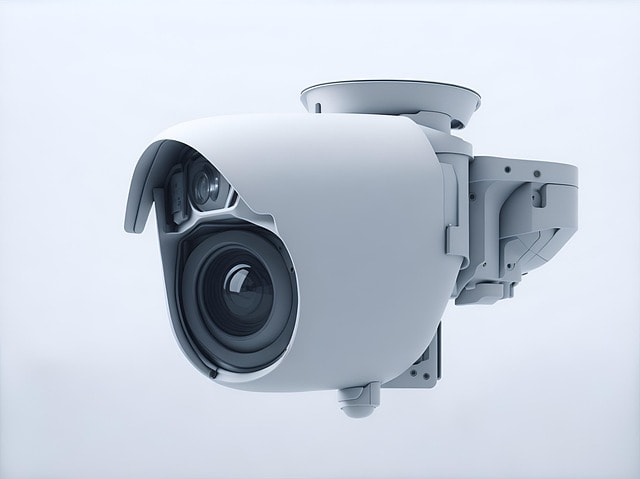
In an age where security concerns are rising for both residential and commercial properties, having security camera systems is no longer a luxury—it’s a necessity.
Whether you’re protecting your family, your home, your customers, or your business assets, CCTV installation plays a crucial role in safeguarding your property.
The presence of CCTV cameras not only serves as a deterrent to potential intruders but also provides valuable real-time monitoring and recorded evidence when needed.
Choosing the right CCTV installation service ensures that you’re getting the best protection possible. Installing CCTV professionally is crucial for optimal safety and security, as it ensures proper setup, customization, and reliable operation.
This article explores everything you need to know about CCTV systems, from selecting the best installer to understanding different camera types, budgeting, integration options, and long-term maintenance.
Having CCTV cameras installed in various settings, such as homes, retail stores, and public areas, provides enhanced security, real-time monitoring, and peace of mind.
Introduction to CCTV Installation
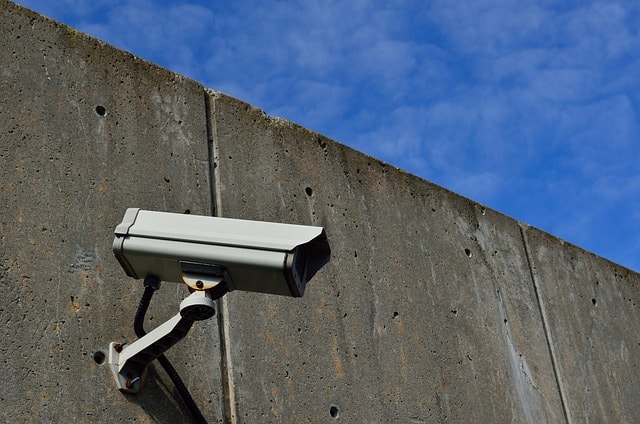
Professional CCTV installation ensures that cameras are placed strategically for optimal coverage, minimizing blind spots and maximizing visibility both day and night.
The most common types of cameras offered in CCTV installations include:
- Dome cameras – Compact and discreet, ideal for indoor use.
- Bullet cameras – Visible deterrents, perfect for outdoor spaces.
- PTZ (Pan-Tilt-Zoom) cameras – Capable of rotating and zooming to track activity.
- Night vision cameras – Equipped with infrared LEDs to provide clear images in complete darkness.
A reliable CCTV service provider will assist you in determining which types of cameras suit your property based on location, desired coverage, and image quality.
Choosing a Reliable CCTV Installer
Not all CCTV companies offer the same level of expertise or service. Choosing the right installer is critical to ensuring the effectiveness and longevity of your security system.
When selecting a provider, consider the following:
- Experience and qualifications
- Compliance with industry standards
- Customer reviews and ratings
Conducting a thorough review of potential installers will help you assess their reliability and suitability for your needs.
Working with the best CCTV installer gives you peace of mind, knowing your security system is installed by trusted professionals.
Key factors to consider include:
- Experience and Reputation
- Select an installer with a proven track record in both residential and commercial CCTV setups.
- Check customer reviews and ratings.
- Certified Installers
- Look for technicians who are qualified and certified in security system installations.
- Compliance with Regulations
- Ensure the installer adheres to the Data Protection Act and advises on appropriate camera placement, privacy laws, and signage requirements.
- Customer Support
- Opt for companies offering post-installation support, maintenance, and troubleshooting.
- Transparent Pricing
- Choose a company that offers clear quotes without hidden fees.
A reputable CCTV installer not only installs the equipment but also ensures that the system operates efficiently and complies with local laws and data privacy regulations.
CCTV System Options
Different properties require different CCTV solutions. A good installer offers various system options tailored to your needs:
All our systems are designed for reliability and seamless integration, ensuring high-quality performance and comprehensive security coverage.
For those seeking easy-to-install, comprehensive solutions, CCTV kits are available and include all necessary hardware for both DIY enthusiasts and professional installers.
Types of Systems:
- IP Cameras: High-definition digital cameras offering remote access via the internet.
- Wireless CCTV Systems: Flexible installations without extensive wiring.
- Analog Cameras: Budget-friendly options, typically with lower resolution than digital cameras.
- Hybrid Systems: Combine both analog and IP cameras.
Key Features:
- Night Vision: Infrared cameras that capture footage in low-light or complete darkness.
- Motion Detection: Alerts triggered by movement.
- Remote Viewing: Access live or recorded footage via smartphones, tablets, or PCs.
- Cloud Storage: Optional backup beyond physical DVR/NVR storage.
A professional installer will help assess your needs based on your property’s size, the number of cameras required, image resolution expectations, and budget constraints.
Camera Types and Specifications
Understanding camera types and their specifications is crucial in selecting the right setup:
- Resolution: CCTV cameras come in various resolutions, including HD Ready (720p), Full HD (1080p), Super HD (1440p), and 4K (8MP). Super HD and HD Ready are common resolution options that help distinguish between different quality levels.
- Lens type: Fixed, varifocal, and motorized zoom lenses each offer different levels of flexibility.
- Night vision: Infrared (IR) LEDs allow cameras to capture images in low-light or no-light conditions.
- Weatherproof rating: Outdoor cameras should have a suitable IP rating for weather resistance.
Higher mega pixels in CCTV cameras result in better images and the highest quality images, especially when using 8MP (4K) cameras. For example, a 4MP camera offers double the quality compared to a 2MP camera, providing much clearer and more detailed footage.
DVD quality is considered a lower resolution benchmark and is significantly surpassed by modern HD standards. Watching HD footage from CCTV cameras provides a much clearer and more detailed viewing experience, similar to watching HD content on a television.
Camera Types:
- Dome Cameras
- Sleek, discreet.
- Common for indoor settings.
- Bullet Cameras
- Long-range visibility.
- Weatherproof for outdoor use.
- PTZ Cameras
- Adjustable lenses for pan, tilt, and zoom.
- Ideal for monitoring larger areas or parking lots.
Specifications to Consider:
- Resolution: 1080p Full HD, 4K Ultra HD, or higher for clear details.
- Lens Type: Fixed or varifocal lenses.
- Infrared (IR) LEDs: For superior night vision.
- Weatherproof Ratings: IP66 or IP67 for reliable outdoor usage.
- Field of View: Wider angles cover more space with fewer cameras.
Choosing the right combination of cameras ensures comprehensive coverage with minimal blind spots.
CCTV Installation Process
Installing a CCTV system is a crucial step in ensuring your security camera performs effectively.
Step 1: Initial Consultation
During the initial consultation, professionals assess your property and security needs. Expert advice is provided on optimal camera locations to ensure comprehensive coverage.
Step 2: System Design
The system design phase involves planning the layout and features of your CCTV setup. Determining how many cameras are required is essential for adequate coverage.
Selecting the right equipment for your camera system ensures reliable performance and compatibility with your security requirements.
Step 3: Installation
During installation, technicians install cameras at the planned locations and install CCTV according to the design specifications, ensuring all components are securely mounted and connected.
Step 4: Testing & Configuration
After installation, the system is thoroughly tested and configured to ensure the system installed is fully operational and meets your security needs.
Steps in the Process:
- Initial Consultation:
- Assess security needs.
- Identify key vulnerable areas.
- Site Survey:
- Physical inspection to determine camera placement.
- Consideration of lighting, entry points, and power access.
- System Design:
- Selecting camera types, number of units, and storage solutions.
- Planning wiring routes and equipment placement.
- Installation:
- Mounting cameras.
- Running cables discreetly.
- Installing DVR/NVR and configuring the network.
- Testing & Configuration:
- Checking camera angles, focus, and system functionality.
- Setting up remote access and alerts.
- Training & Handover:
- Educating the client on how to operate the system, review footage, and manage settings.
A professionally installed system ensures reliability, performance, and adherence to legal requirements.
CCTV Installation Cost and Budgeting
Factors Affecting Costs:
- Number of cameras required.
- Type of cameras: Higher resolution and PTZ cameras cost more.
- Storage needs: Larger hard drives or cloud backup adds to costs.
- Property size and complexity: More complex wiring or larger premises increases labour costs.
Average Price Ranges:
- Basic home system: From £500–£1,500.
- Small business setup: From £1,500–£3,500.
- Large commercial property: £5,000 and above depending on the scale.
Budget-Friendly Options:
- Flexible packages.
- Payment plans or financing.
- Scalable systems allowing upgrades over time.
Investing in CCTV is a long-term commitment to safety and peace of mind.
DIY vs. Professional Camera Installation
DIY Installation:
- Suitable for basic, small-scale systems.
- Cost-saving initially but risks include:
- Poor camera placement.
- Improper wiring or configuration.
- Missed blind spots or technical failures.
Professional Installation:
- Guarantees optimal coverage.
- Correct camera positioning for maximum visibility.
- Reliable wiring, network setup, and compliance with data laws.
- Long-term support and maintenance.
While DIY kits can be tempting, professional installation is highly recommended for businesses and any serious home security setup.
CCTV Monitoring and Storage
Monitoring Options:
- On-site monitoring: Via dedicated screens.
- Remote access: View footage via apps or computers anywhere globally.
Storage Solutions:
- DVR (Digital Video Recorder): For analog systems.
- NVR (Network Video Recorder): For IP camera systems.
- Cloud Storage: Remote backup of important footage.
Storage Considerations:
- Resolution affects storage: Higher resolution requires more space.
- Recording options: Continuous recording vs. motion-activated to save space.
Proper storage setup ensures that footage is secure, accessible, and retrievable when needed.
Business Security Solutions
Businesses face unique security challenges, including theft, vandalism, and liability risks.
When installing CCTV systems in commercial premises, it is essential to ensure compliance with all legal requirements to protect your business and meet regulatory standards.
Common Business Applications:
- Retail stores.
- Offices.
- Warehouses and distribution centres.
- Restaurants and cafes.
- Car parks and commercial buildings.
Solutions Offered:
- CCTV systems paired with alarm systems and access control.
- License plate recognition cameras for car parks.
- Employee and customer monitoring.
- Integrated monitoring with mobile access for business owners.
A tailored approach ensures that the business’s unique risks are addressed effectively.
Home Security Solutions
Common Residential Applications:
Home security is a top priority for homeowners, and modern CCTV cameras play a vital role in creating a safe living environment.
CCTV systems are widely used to monitor key areas such as front doors, driveways, garages, and parking areas, providing a visible deterrent to potential intruders.
Wireless CCTV cameras are especially popular for residential properties, as they offer flexible installation options without the need for extensive wiring.
By choosing reputable CCTV companies for professional installation, homeowners can ensure that their cameras are positioned for maximum coverage and effectiveness.
Whether you’re looking to secure your home’s perimeter, keep an eye on deliveries, or monitor activity around your property, a well-designed CCTV system is an essential component of any comprehensive home security strategy.
Tailored Solutions for Homes:
Every home is unique, and the best security comes from a CCTV system tailored to your specific needs.
Professional installers will assess your property to determine the optimal number of cameras and the best locations for installation—such as corners, entrances, and along exterior walls.
Dome cameras are often chosen for indoor spaces due to their discreet design, while bullet cameras are ideal for outdoor use, offering robust protection against the elements.
For enhanced security, IP cameras with night vision capabilities can be installed to capture clear footage even in low-light conditions.
A digital video recorder (DVR) is typically included in the system, allowing you to store and review footage as needed. Many modern systems also offer remote access, so you can monitor your home from your mobile phone wherever you are.
Smart Home Integration:
Integrating your CCTV system with smart home technology takes home security to the next level. With smart home integration, you can control and monitor your CCTV systems remotely using a dedicated smartphone app, giving you instant access to live feeds and recorded footage.
This seamless connectivity also allows your CCTV system to work in tandem with other smart devices, such as alarm systems and smart door locks, creating a unified security ecosystem.
Professional CCTV installers can design and install a system that fits perfectly with your existing smart home setup, ensuring a smooth and user-friendly experience.
By choosing a high-quality CCTV system with smart home integration, you benefit from enhanced security, greater convenience, and real-time alerts—no matter where you are. It’s also important to ensure your system is regularly maintained and fully compliant with the Data Protection Act, so your home security remains effective and legally sound.
CCTV Maintenance and Upgrades
CCTV systems require regular maintenance to ensure continued reliability.
Maintenance Services:
- Camera cleaning.
- Checking cables, connectors, and signal integrity.
- Software and firmware updates.
- Replacement of worn components.
Upgrade Options:
- Swapping outdated analog cameras for modern IP cameras.
- Increasing resolution for clearer images.
- Expanding storage capacity.
- Adding smart features like AI detection or facial recognition.
Regular maintenance extends the system’s lifespan and keeps it performing at its best.
Data Protection and Compliance
CCTV installation comes with legal responsibilities, especially regarding privacy:
Key Compliance Areas:
- Correct positioning to avoid recording public spaces without justification.
- Displaying clear signage that CCTV is in operation.
- Securely storing footage.
- Only using recorded footage for legitimate security purposes.
A reputable CCTV company ensures compliance with the Data Protection Act and advises on best practices for legal and ethical surveillance.
Security Tips and Advice
- Position cameras at entry points: Doors, windows, and driveways.
- Use a mix of camera types: Dome indoors, bullet outdoors, and PTZ for large areas.
- Ensure adequate lighting: To improve image quality.
- Update passwords regularly: Protect your system from cyber threats.
- Check storage regularly: Ensure you have enough capacity and that recording hasn’t stopped.
- Maintain your system: Clean lenses, check wiring, and perform updates frequently.
Conclusion
A CCTV system is one of the most effective ways to protect your home or business. The right CCTV installation service not only delivers high-quality cameras and equipment but also ensures correct placement, system configuration, and ongoing support.
From selecting the right cameras to integrating alarms and ensuring compliance with privacy regulations, professional installation offers peace of mind and effective protection.
Whether you are safeguarding your home, a retail shop, or a large commercial site, investing in CCTV is an investment in safety, security, and future protection.
If you’re considering enhancing your security, work with a trusted, experienced CCTV installation provider. With the right team and technology, you can protect what matters most — 24/7.
